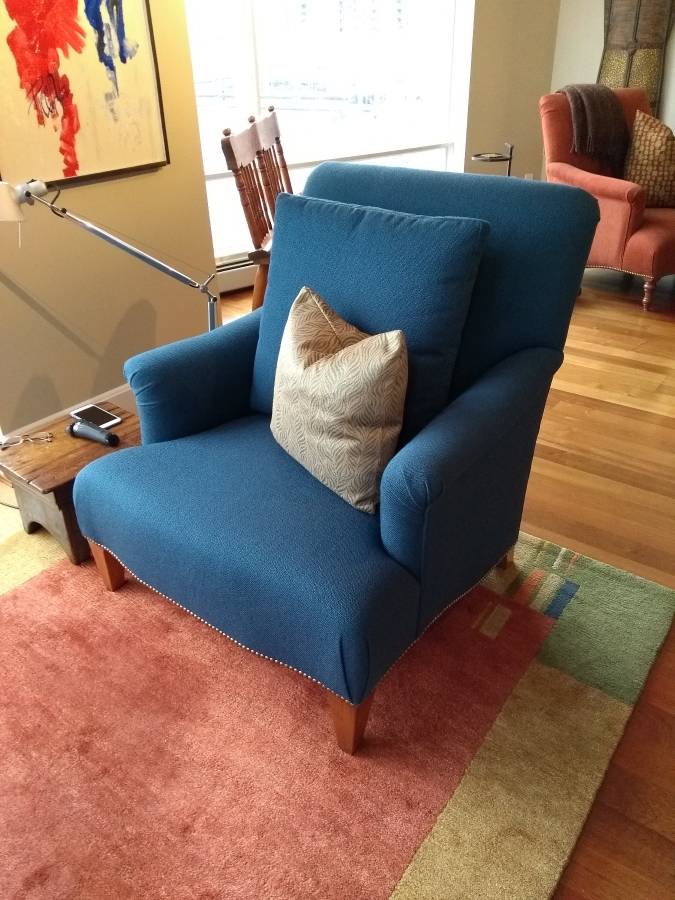
Why Fabric Choice Matters
The fabric you choose for an upholstery project determines not just how it looks, but how long it lasts and how easy it is to maintain. A dining chair reupholstered in a delicate silk might look stunning on day one, but within months of daily use it will show wear that a commercial-grade fabric wouldn't.
Understanding Fabric Weight and Rub Count
The durability of upholstery fabric is measured in "double rubs" — how many times the fabric can be rubbed back and forth before showing wear. General guidelines:
Less than 15,000 double rubs — decorative use only, like throw pillows or wall panels.
15,000–30,000 double rubs — light residential use. A bedroom chair that rarely sees hard use.
30,000–100,000 double rubs — standard residential use. Most living room sofas and dining chairs.
100,000+ double rubs — commercial and heavy-duty use. Restaurant seating, waiting room chairs, marine applications.
Best Fabrics by Application
Marine and Boat Upholstery: Always use marine-grade vinyl or solution-dyed acrylic. These are specifically engineered to resist UV, moisture, mildew, and salt. Standard upholstery fabrics will degrade rapidly in a marine environment.
Automotive Seats: Automotive vinyl and genuine leather offer the best combination of durability and cleanability. Fabric seats require specific automotive-grade materials that resist friction from repeated entry and exit.
Motorcycle Seats: Outdoor-rated vinyl is standard. It needs to withstand direct sun, rain, and the friction of rider movement.
Residential Furniture: The widest range of options. Chenille, velvet, linen blends, and performance fabrics all work depending on the household's needs.
